Atlantic Crossing Program: Bahamas - Bermuda - Azores - Gibraltar - Ibiza
Scheduled departure: April 4
Stage 1: Saint Marteen - Bermuda
Distance: Approximately 900 nautical miles (NM)
Estimated duration: 5-7 days (depending on weather conditions and boat speed)
Description: Departure from Saint Marteen, heading northeast to Bermuda. Monitoring the weather is recommended to avoid cold fronts and storms. It is navigated with favorable trade winds and currents.
Objective: Rest in Bermuda, maintain the ship and refuel. (2 Days)
Stage 2: Bermuda - Azores
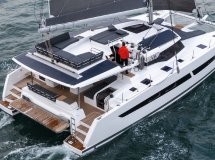
Departure April 13th. We set off in a fleet with more catamarans.
Distance: Approximately 1,900 NM
Estimated duration: 12-18 days
Description: Long and challenging journey across the North Atlantic. It sails with the Gulf Stream initially, and then encounters westerly winds. It is essential to have sufficient supplies and to monitor atmospheric depressions.
Objective: Arrival to the Azores (Faial, Horta), where sailors can rest, do technical checks and enjoy local hospitality.
Stage 3: Azores - Gibraltar
Departure April 30th. We set off in a fleet with a fleet of catamarans.
Distance: Approximately 1,000 NM
Estimated duration: 7-10 days
Description: Navigation to the east in the Atlantic, taking advantage of variable winds and possible tidal waves from the northwest. As the Iberian Peninsula approaches, easterly winds may be found in the strait.
Objective: Arrival to Gibraltar, where it is recommended to rest, refuel and check the boat before facing the Mediterranean.
Stage 4: Gibraltar - Ibiza
Departure: May 10. We set off in a fleet with more catamarans.
Distance: Approximately 450 NM
Estimated duration: 3-5 days
Description: Last leg of the journey across the Alboran Sea and the Western Mediterranean. Attention should be paid to the east winds in the strait and possible weather changes in the Mediterranean.
Objective: Heading to Ibiza, the end of the transatlantic crossing, with an opportunity for rest and celebration.
General Considerations:
Planning alternative routes depending on weather conditions.
Constant communication via VHF radio and satellite systems.
Checking supplies, fuel and safety equipment before each stage.
Check weather forecasts before setting sail.
Have a good trip and calm seas!
Read more