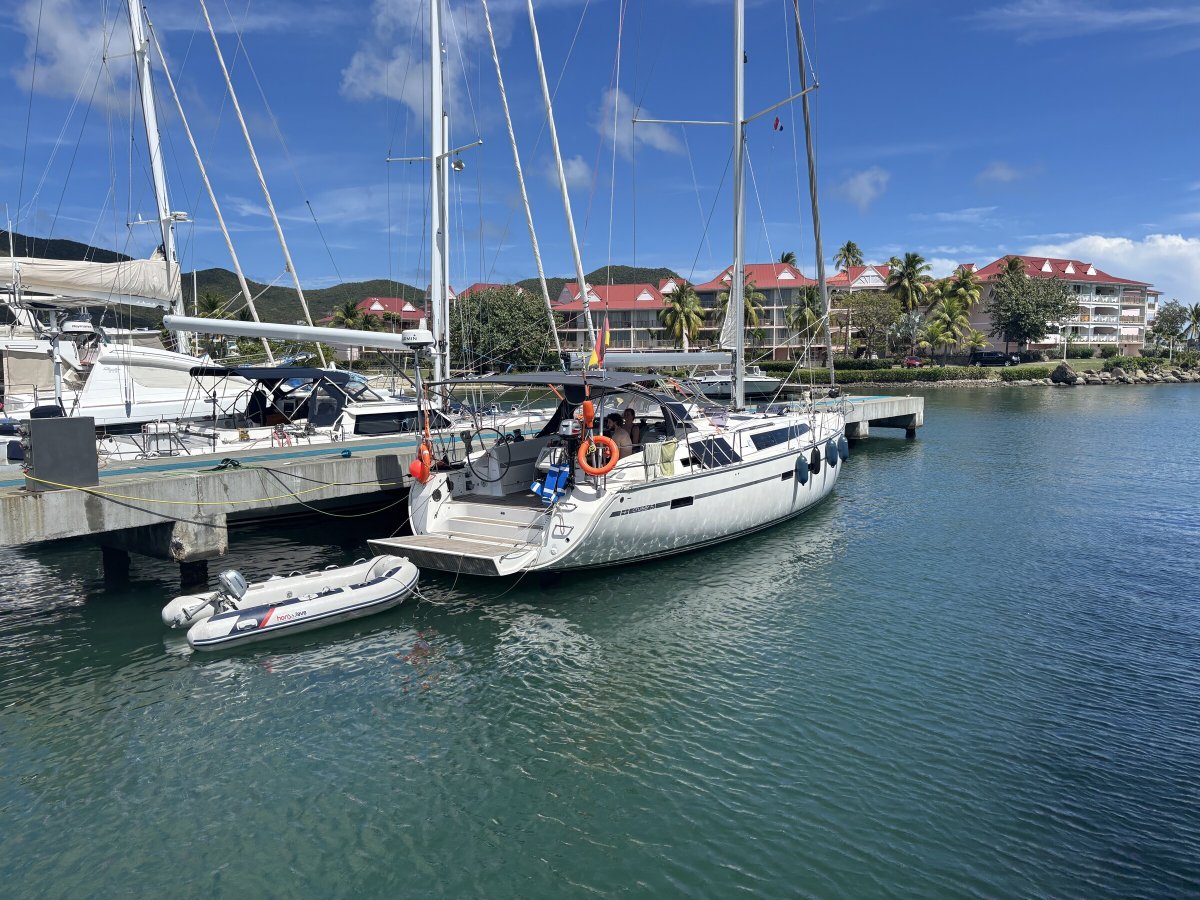
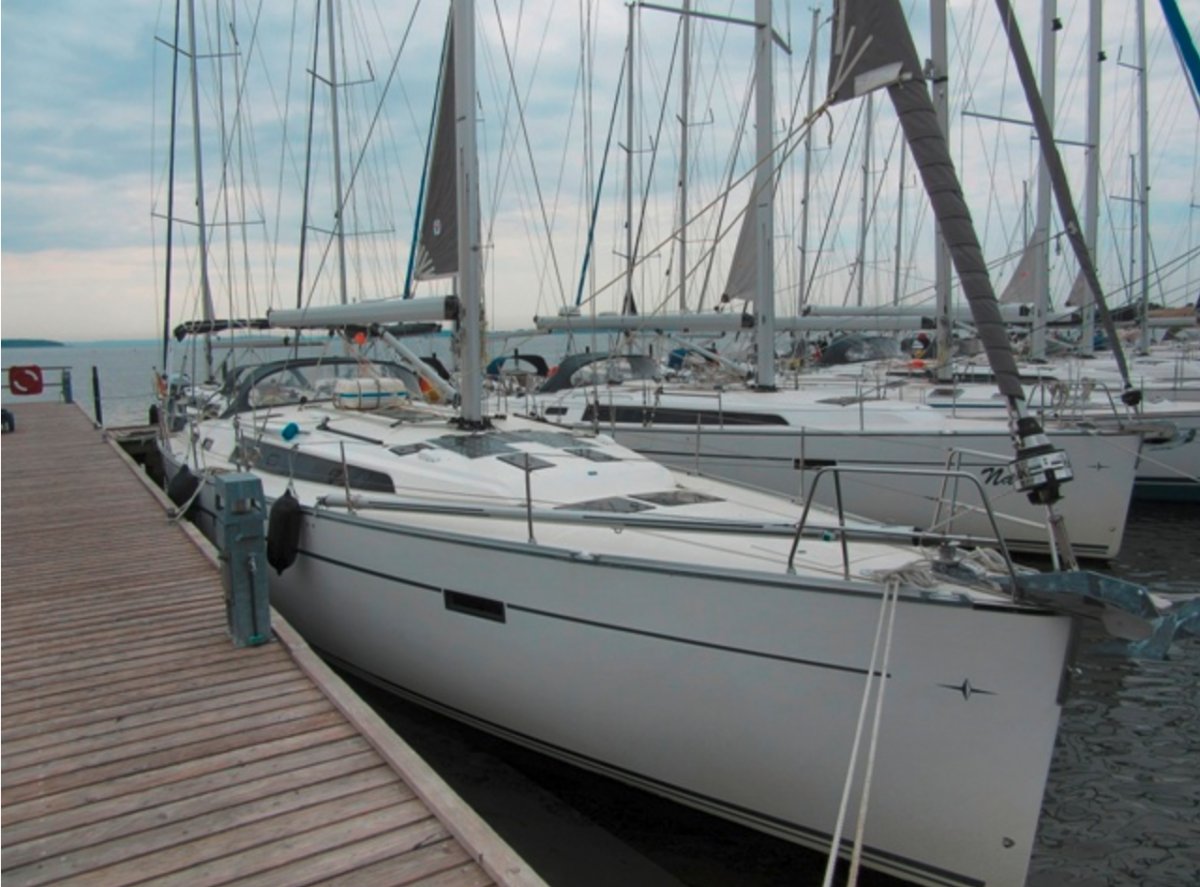
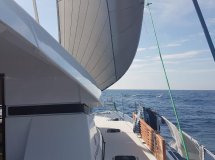
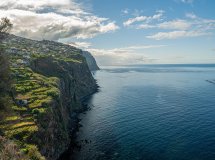
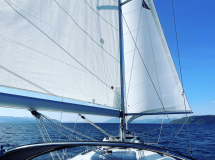
Our journey begins at the Balboa Yacht Club, a safe harbor on the edge of the Panama Canal, preparing us for the open ocean. After final preparations – shopping, safety checks, and a briefing – the moment has arrived: we set course for the Pacific.
The start is calm, but the challenges of the upcoming long-distance voyage make us look out at the vast, unpredictable sea. We know that a real adventure awaits us.
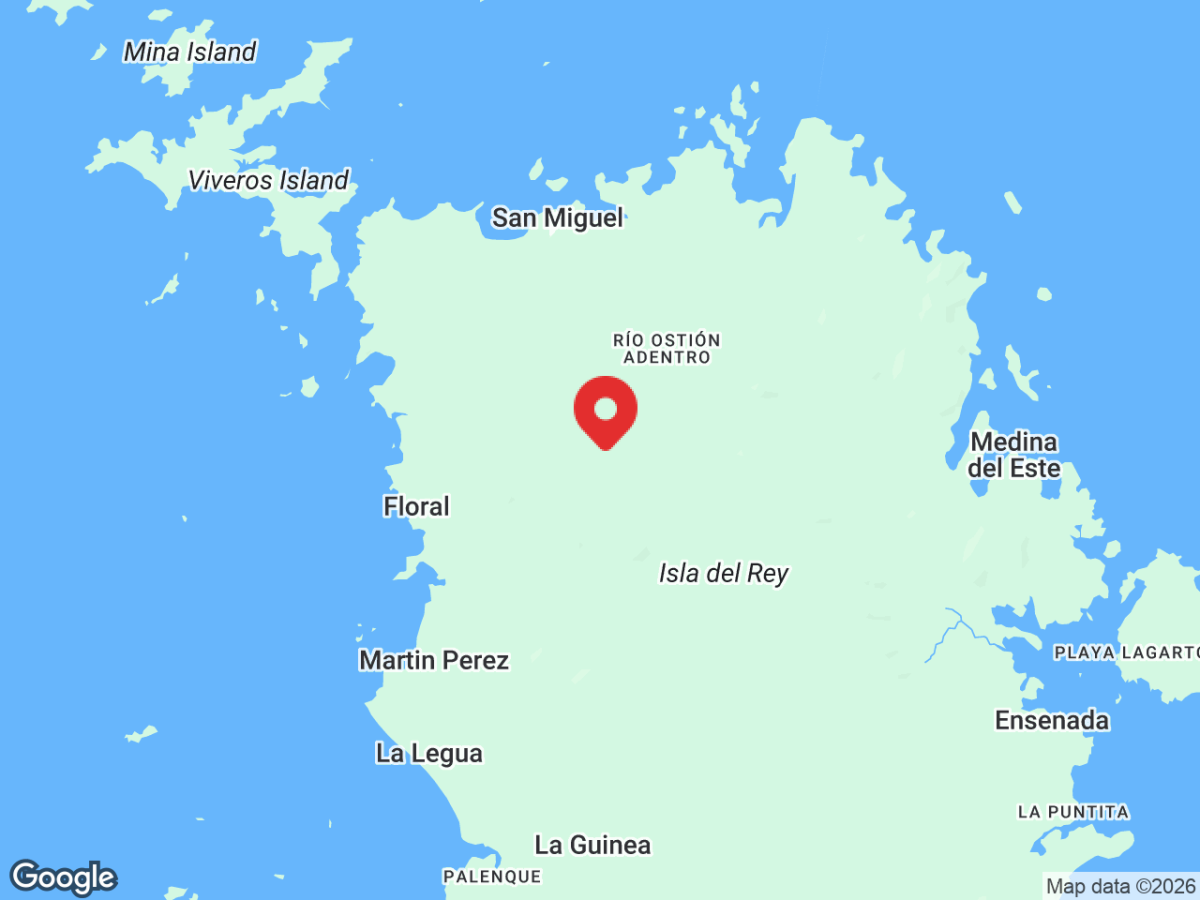
The first leg of the journey takes us out of the Panama Canal, past the Pacific islands of Panama and into the open ocean.
For the next few weeks, the sea will be our home, and we must adjust to the rhythm of sailing. With each passing day, we will get further away from civilization, and the reality of long-distance sailing will set in.
This is no ordinary sailing trip. We're sailing in the Pacific Ocean, one of the world's largest oceans. This means:
Weather conditions: The first few days are often calm with light winds, but stronger winds can soon develop, and the sea becomes rougher. Squalls and shifting wind directions are always possible. Proper sail handling and constant adaptation to the conditions are crucial. Our crew must remain vigilant at all times to steer the ship safely.
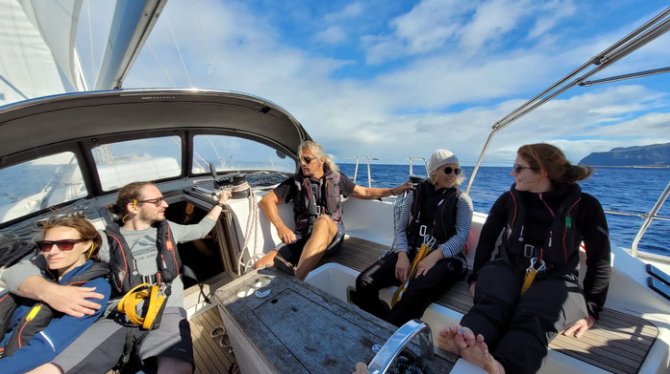
Night voyages: The darkness of the Pacific is breathtaking. The starry sky, which guides us through the night, can be a familiar companion, but time on board also feels endless. Our crew will take turns on deck in shifts—day and night, always on duty. The task of navigating the ship safely and maintaining course demands the utmost concentration and precision.
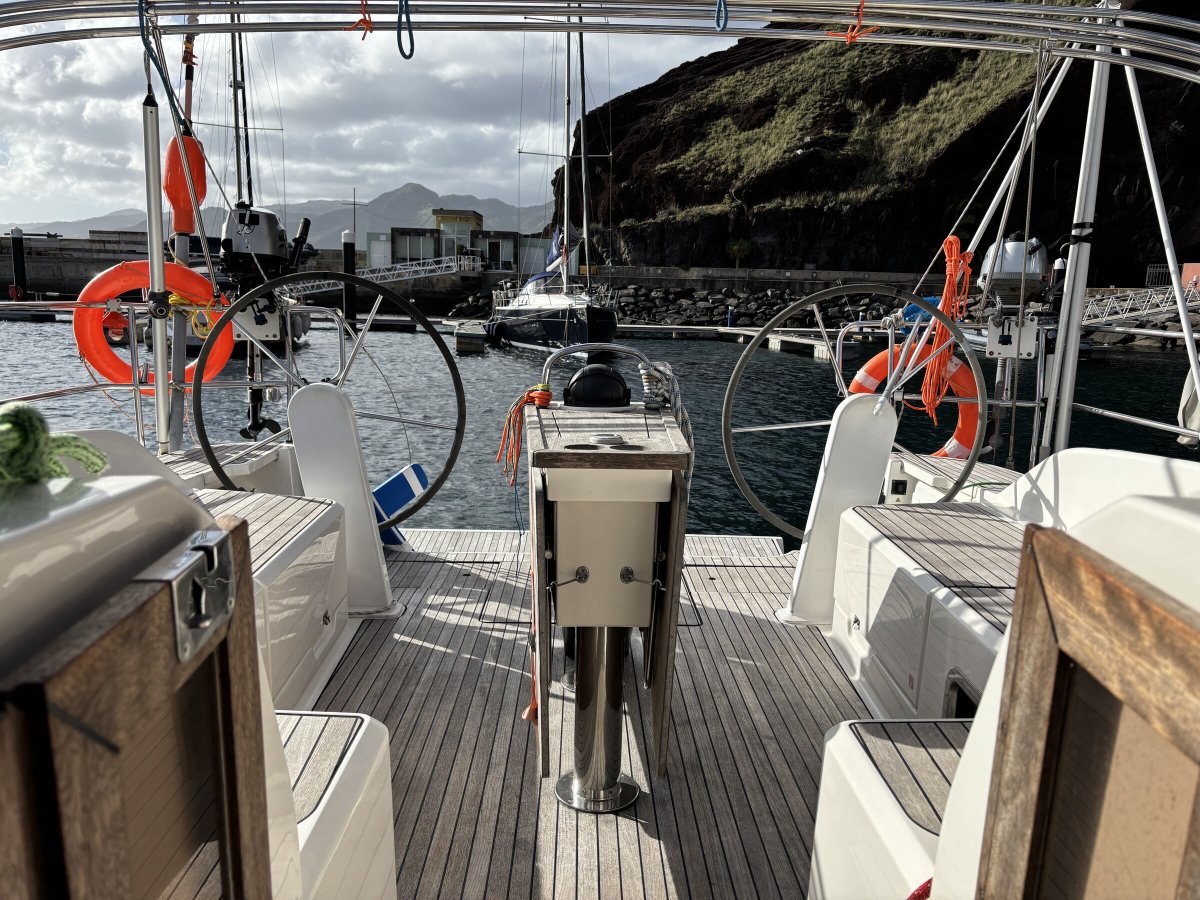
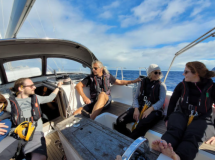
Fitness and stamina: Life on board during a long-distance voyage is physically and mentally demanding. There will be no time for luxuries, only the necessary daily tasks: cooking, sailing, standing watch, and keeping the ship in top condition. The crew must be fit and resilient – both physically and mentally – to endure the strenuous long-distance passage.
Food and supplies: Since there is no access to fresh markets, all provisions must be planned and stowed in advance. Daily meals must be prepared from these provisions, which means the crew must be creative and efficient in managing the limited resources.
The sailing route - A steady rhythm on the open ocean.
After the first few days of sailing, we will reach the doldrums near the equator, where the winds often die down. Patience is required here. The crew must be prepared to maneuver the ship through calm areas and repeatedly adjust the sails when the wind picks up again.
As the voyage continues, we sail deeper into the Pacific. Our course will take us further and further southwest, through the Intertropical Convergence Zone and finally into the trade wind belt, where more stable winds await us. These consistent winds are ideal for long-distance sailing, but also a constant challenge, as they spur the crew on to peak performance.
Deciding how best to steer the ship in changing winds requires constant communication and cooperation. The rhythm of daily life on board is determined by the tasks of sailing, navigation, and watches.
Life on board becomes an almost meditative experience - each day follows a fixed routine, but always with a touch of unpredictability as the sea presents us with new challenges.
The final stages - the finish line in sight
The closer we get to the Marquesas Islands, the more intense our anticipation of reaching our destination becomes, but even the final nautical miles present their own challenges. The changing weather, the proximity to the islands, and the navigation demand the utmost precision. In the final phase of the voyage, the crew will have to rely heavily on their skills to bring the ship safely to shore.
The Marquesas Islands, with their rugged beauty and isolation, offer a spectacular finale to the trip. The first glimpse of the volcanic cone of Nuku Hiva, rising majestically from the Pacific Ocean, will fill the team with a sense of accomplishment and pride.
Conclusion - A journey for life
This voyage is not only a physical challenge, but also a mental journey. Long-distance sailing requires teamwork, patience, perseverance, and the willingness to face the elements and the challenges of the open ocean.
But even though there are moments of exhaustion and doubt, we are rewarded with an unparalleled feeling of freedom and fulfillment when we finally reach the port of Nuku Hiva.
Read more