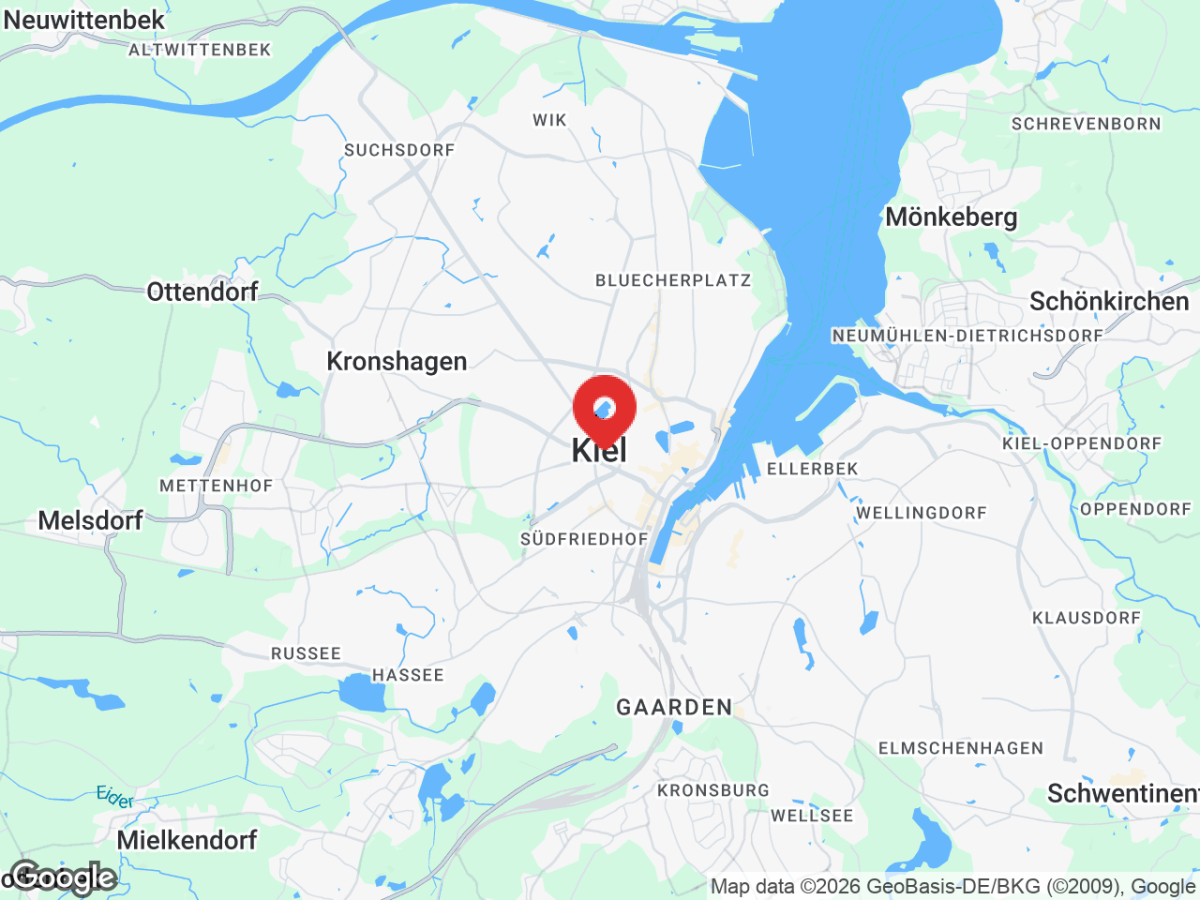
This is where you board:
Numerous sights line the Kiel Fjord: from the Naval Memorial in Laboe on the east bank to the imposing Friedrichsort lighthouse, to Falckenstein beach and Kiel-Holtenau with the historic Tiessenkai, small cafes and the old warehouses.
In Holtenau on the western shore of the Kiel Fjord you have the opportunity to observe the varied coming and going at the locks of the Kiel Canal.
From small sports yachts to ocean liners, watercraft of every type and size pass us by during the day on the world's busiest artificial waterway.
During the short walk to the small Holtenau lighthouse, you can experience a nostalgic harbor atmosphere – old cargo sailing ships and schooners are frequently found here.
Travel description
Many roads lead from the Kiel Fjord to the Kattegat. On this spring sailing trip, the Baltic Sea becomes our playground of countless possibilities. On our way north, we could choose the route through the Øresund – passing the chalk cliffs of the island of Møn and a stopover in Copenhagen are on the agenda.
If we choose the passage through the Great Belt, we'll enjoy long stretches under sail and plenty of time at sea. Shore excursions, for example in the port city of Svendborg, also provide a welcome change of pace. Or perhaps you'd prefer something a little slower and more relaxed? – Then the Little Belt, with coastal towns like Sønderborg or Middelfart, would be the right choice.
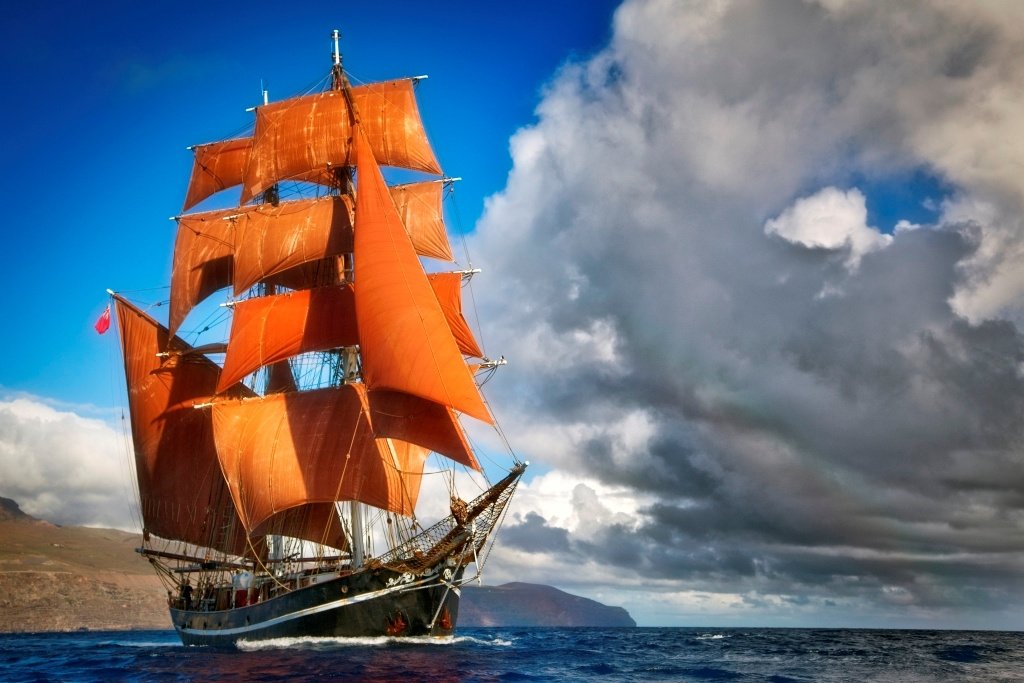
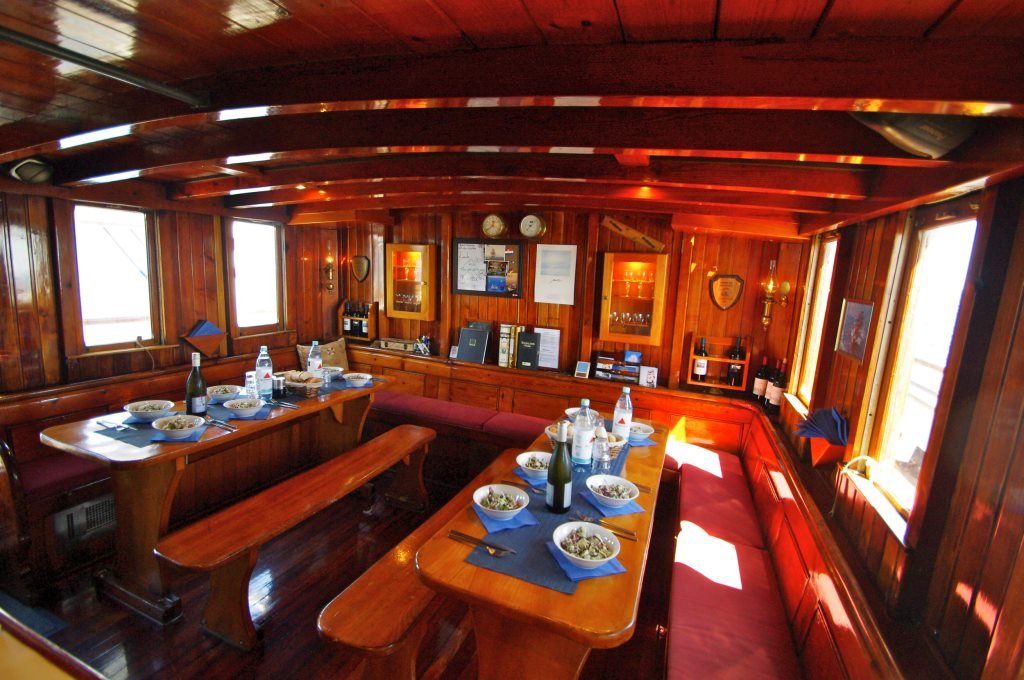
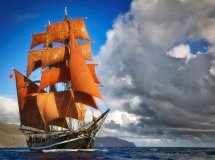
At Tiessenkai in Kiel-Holtenau, our crew will welcome you aboard. Embarkation takes place at 7 p.m. During the subsequent dinner in the cozy lounge, you will quickly feel at home on the decks of the Eye of the Wind and get to know your fellow passengers.
Our sailing area: from the Kiel Fjord through the world of the Belts to the Kattegat
After breakfast, it's "Cast off!" On the eastern shore of the Kiel Fjord, we see the Laboe Naval Memorial; soon after, we reach the open Baltic Sea near the Kiel Lighthouse. After a day under sail, we cross the invisible German-Danish maritime border.
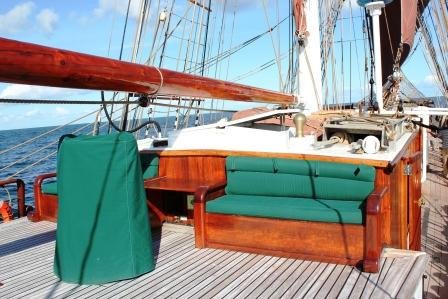
Would you like to take the helm yourself and keep the ship on the right course? You can actively participate in sailing operations, handle the ropes, set the sails and even climb the mast – always on a voluntary basis and under the guidance of our friendly crew.
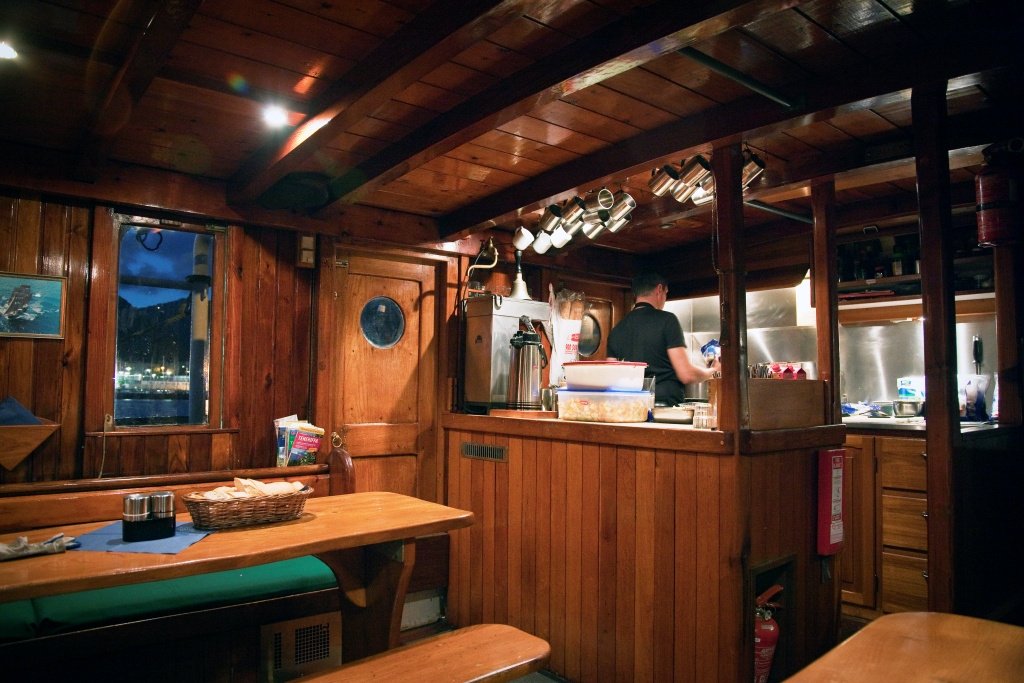
All sailing maneuvers are taught with a focus on participation and enjoyment. The fresh sea air is known to whet the appetite – so look forward to our excellent onboard cuisine, which will surprise you daily with varied creations from the galley cookbook and local specialties. Weather permitting, we will have the opportunity to spend the night at anchor instead of entering a port – a highlight of any sea voyage! Opportunities for shore leave are available in numerous ports along our route, for example in…
• Svendborg: Passing under the majestic Storebælt Bridge across the Great Belt – at almost 2,700 meters long, Europe's largest suspension bridge – is a special experience at any time of day or night. From here, we reach the port of Svendborg, which opens like a gateway to the South Danish archipelago. Ferries depart from here to the islands, and numerous yachts create a lively atmosphere on the water.
• Ebeltoft: The historic town center has remained largely unchanged for centuries. The smallest town hall in the world (“Det Gamle Rådhus”) with an old prison cellar, a Romanesque-early Gothic church, a glass museum, and old burgher and merchant houses define the idyllic flair of this port city on the Danish west bank of the Kattegat.
• Aarhus: The university city of Aarhus, characterized by its Nordic flair and vibrant past, has much to discover: The typically Danish city center is distinguished by well-preserved half-timbered architecture. A visit to St. Mary's Church, the cathedral, or the open-air museum "Den Gamle By" is worthwhile – here you'll feel as if you've stepped back into the merchant era of medieval Aarhus.
Through the archipelago to Gothenburg
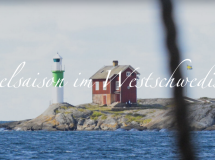
In the final leg of our journey, we leave the open Kattegat and approach the archipelago. Lighthouses, stone beacons, and the typical reddish-brown-gray rock formations stand out on the horizon ahead of our ship. Various granite formations, small islands, and piles of stones lie at random intervals in the water, forcing the smaller motorboats around us to zigzag through the wet landscape.
In good weather and calm seas, it will be possible to take a photo tour around the ship using the dinghy.
Accompanied by container ships, ferries, and yachts, our tall ship makes its way from the Baltic Sea into the shipping lane leading to Gothenburg. The final day of the voyage concludes with a delicious Captain's Dinner in good company.
In Gothenburg, you will say goodbye to the crew and your fellow travelers at the end of the trip. From here, you can either return to Kiel via a daily ferry service or take a direct flight to many airports in German-speaking countries.
This is where you disembark:
Gothenburg in the summer province of Bohuslän: The archipelago of western Sweden is considered perhaps the most beautiful sea area in the Baltic Sea. The city center of Sweden's second-largest city is easily explored on foot; numerous cafés invite visitors to linger and people-watch. For those interested in maritime history, a visit to the four-masted barque Viking, built in 1906, is also worthwhile; this largest windjammer ever built in Scandinavia is now a museum ship moored in the Lilla Bommen harbor.
Incidentally, the hull of our Eye of the Wind lay in a shipyard in Gothenburg for a year starting in 1970; some time later, the conversion work to a passenger ship in its current form began there, thus marking the "second life" of the tall ship.
Read more
 All-inclusive activity. Enjoy a premium experience